Immigration Guide · GWP Immigration Law
Can VAWA Be Denied? 6 Mistakes and How to Avoid Them in Your Self-Petition
A VAWA self-petition can weaken from incomplete evidence, inconsistencies, or gaps proving the relationship or abuse.
Updated: July 6, 2026 · GWP Law · Las Vegas, NVThe Context
The Truth No One Tells You About VAWA
Having a real story of abuse does not guarantee your VAWA case gets approved. USCIS may review your case more closely when there is weak evidence, dates that don’t line up, incomplete documents, or signs of possible fraud.
That doesn’t mean you don’t have a case. It means your story needs to be told clearly, documented well, and connected to evidence an officer can read, compare, and believe. With careful preparation, a well-built case can still stand on solid ground, depending on the facts and the evidence.
The USCIS Alert
Why This Matters Right Now
On December 22, 2025, USCIS issued Policy Alert PA-2025-33 and updated Volume 3, Part D of the Policy Manual governing VAWA self-petitions. According to USCIS, the agency cited a significant rise in I-360 filings and fraud concerns as part of its reasoning for tightening review of the program. [Policy Alert PA-2025-33]
That translates into something very concrete for you: do not file a half-finished record. If your declaration says one thing, your addresses say another, and your documents don’t support the story, USCIS can request more evidence, issue a NOID, or deny the case.
The Risk
What’s at Stake If You Ignore These Mistakes
A poorly prepared VAWA petition can raise the risk of an RFE, a NOID, or a denial, depending on the case’s weaknesses. An RFE can cost you months. A denial can cost you the protection you need. And if your petition includes your children as derivative beneficiaries, a poorly built case can also put their protection at risk.
Processing times can also be long and change frequently. Before filing, it’s worth checking USCIS’s published processing times and making sure your case goes in as complete as possible. Don’t risk a case like that for nothing.
A Real Case
What Happened to One Client
A generic declaration nearly cost one client the approval of a real, legitimate case. I once had a client who came to my office with a story that would break anyone’s heart. But when I read her declaration, it had no dates, no details, no places, nothing an officer could verify.
She thought that describing what she’d lived through in general terms was enough. She brought barely two pages. I told her: this isn’t enough. That’s just how it is. We had to rebuild her declaration from scratch: approximate dates, examples, specific incidents, witnesses, documents, everything she lived through, word by word. We sat down several times. She’d remember one detail, I’d ask about another, and little by little that story became a document USCIS could read and believe. In the end, she was approved. But if she had filed that first declaration, I can tell you, her case would have gone in very weak.
Note: This example does not guarantee outcomes; it illustrates why specific evidence and guidance matter.
The Evidence
“I Thought My Story Was Enough”
Telling your story in general terms is not enough; USCIS needs credible, consistent, and detailed evidence.
USCIS accepts any credible evidence, but the determination of what evidence is credible “remains within the agency’s discretion”, according to the USCIS Policy Manual. That’s why your declaration needs to stand on its own and, where possible, connect to messages, photos, medical records, therapy records, witnesses, address changes, or family documents.
And no, you don’t always need a police report. Many survivors never report, out of fear, economic dependence, the abuser’s control, or shame. What matters is presenting evidence that explains what happened and why that evidence is reliable.
People also ask me: what if I’m already divorced? I couldn’t say without reviewing the dates. If the divorce happened within the last two years and is connected to the abuse, your case may still be valid, depending on the facts and the evidence. To review your case closely, contact us and let’s work through it together.
Action Plan
6 Mistakes You Should Avoid Before Filing Your VAWA Case
Common VAWA mistakes include vague declarations, weak evidence, poor proof of marriage, and inconsistent records.
A vague or generic declaration.
Include approximate dates, places, incidents, and specific examples. A real story can look weak if it’s written like a general statement.
Insufficient evidence of abuse.
You don’t need a police report, but you do need evidence that supports the story. Under 8 CFR § 204.2, abuse can include physical, psychological, sexual, or economic mistreatment.
Marriage without proof of good faith.
A marriage certificate alone isn’t enough. Provide photos, messages, joint accounts, or documents showing you tried to build a life together. Matter of Laureano helps explain this analysis.
No proof of joint residence.
USCIS may require evidence that you lived together during the relationship that qualifies for VAWA. Occasional visits or incomplete documents may not be enough.
Hidden criminal history.
Disclose arrests, charges, or records, even if the case was closed. Hiding them can damage your credibility more than the record itself.
Inconsistent dates or addresses.
Review prior forms, addresses, marriage and separation dates, moves, and entries into the United States. A date that doesn’t match can put the whole case in doubt.
Before filing a VAWA case, check that your declaration, forms, addresses, and outside evidence don’t contradict each other. That review can be the difference between a vulnerable record and one prepared with intention.
The Next Step
What Comes Next After Fixing These Mistakes
A VAWA petition grows stronger with specific evidence, consistent dates, verifiable documents, and a clear declaration about the abuse and the relationship.
We will keep fighting, because rules can change, but a survivor’s right to ask for help shouldn’t depend on how well they know how to fill out a form. Every case we prepare with care is a way of saying: yes, you can file with dignity, with order, and with truth.
🕊
Protect your future.
The abuse was never your fault. Facing USCIS alone shouldn’t be your burden either. If you’re preparing your VAWA petition, or already have one pending, don’t risk losing it over a detail that could have been fixed in time. We review your case with the care it deserves, under USCIS’s new standard, and with the seriousness your story deserves.
📞 Call GWP: 702-737-7717 GWP Immigration Law · gwp.law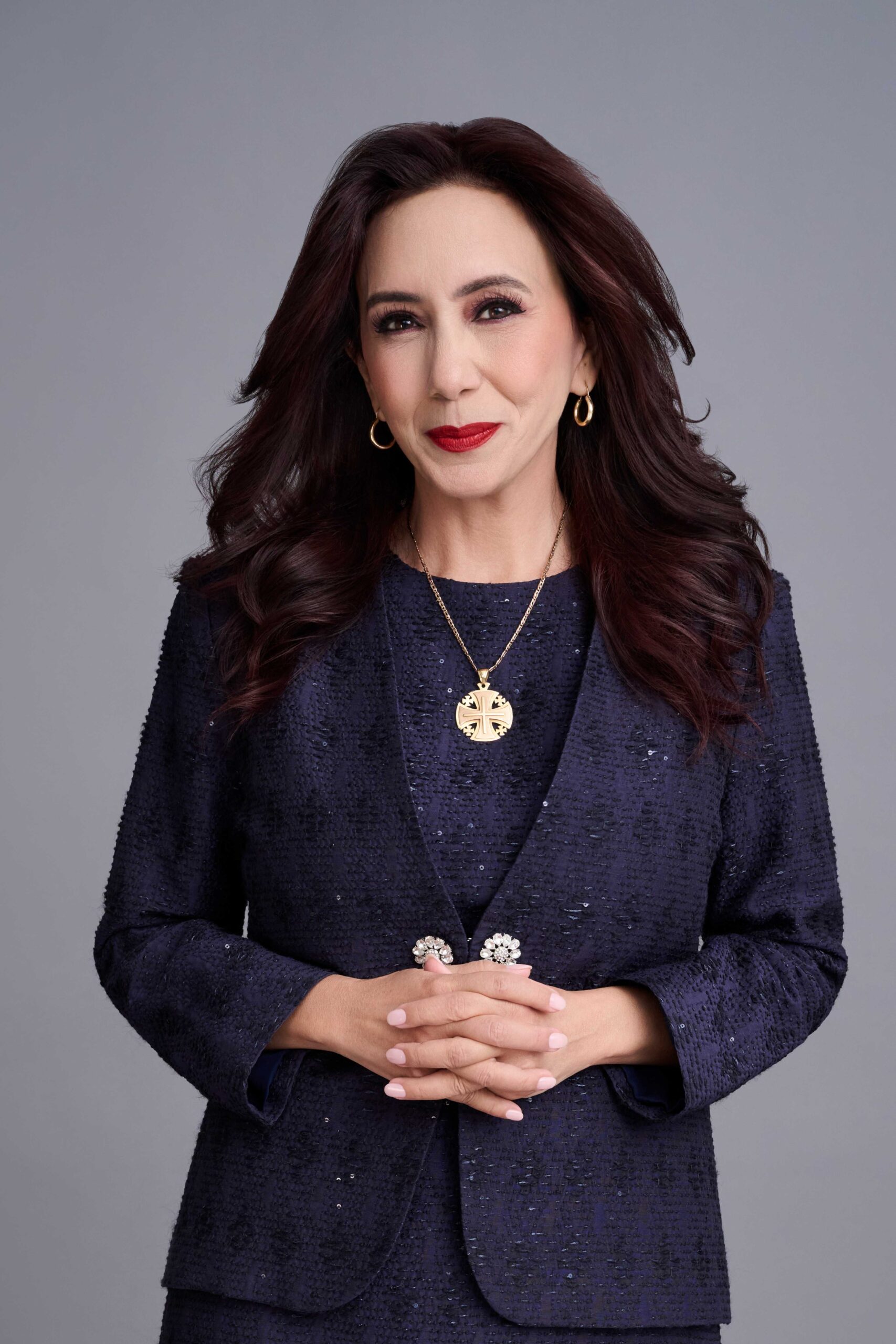
Kathia Quirós, Immigration Attorney
Founder, GWP Immigration Law · Inmigrando with Kathia
This article is for general information only and does not replace individualized legal advice. Every VAWA case is different, outcomes vary based on the facts and evidence, and information should be verified against official sources current at the time of filing.
About the Author
Kathia Quiros, Esq. is the founder and owner of GWP Immigration Law, LLP, a law firm in Las Vegas, Nevada, specializing in the intersection of immigration, estate planning, and family law. She is also the host of Inmigrando con Kathia, a daily program that helps Spanish-speaking immigrant families in the United States understand their rights. Kathia and her team closely follow federal court rulings like this one so their clients don’t have to.
GWP Immigration Law, LLP
8942 Spanish Ridge Ave, Suite 1
Las Vegas, NV 89148
Phone: 702-737-7717
Website: gwp.law
Sources and References