
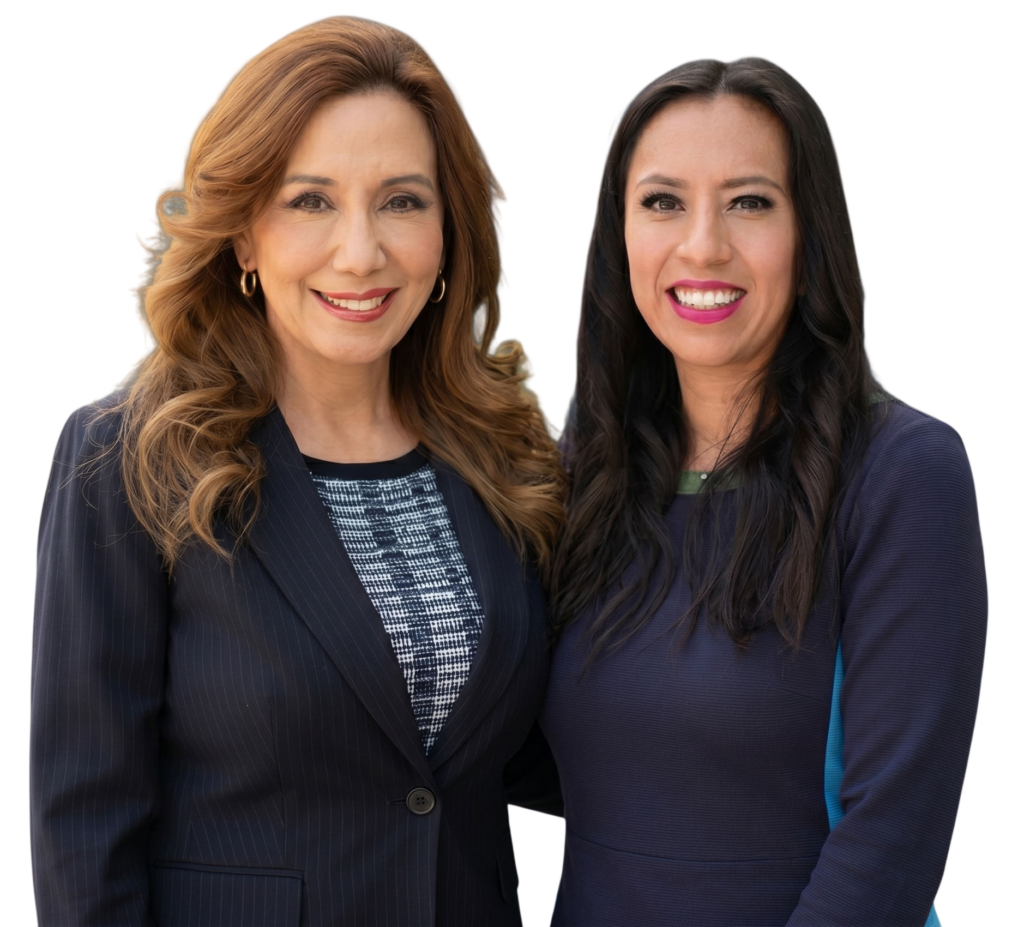

Your future in this country is personal.
For nearly three decades, GWP has guided families, professionals, and the businesses that bet on them through the most consequential decisions of their lives. — we listen first.
Six paths. One strategy at a time.
Green Card
- Mother / father
- Spouse
- Children
- Single son or daughter
- Married son or daughter
- Siblings
- Spouse
- Children under 21 years (single)
Employment Authorization
- Adjustment of status
- DACA
- TPS
- U visa
- VAWA
- T visa
Citizenship
- Naturalization
- Certificates of citizenship
- Consular reports of birth abroad.
Special Interest Visas
- U visa
- T visa
- VAWA
- TPS
- SIJS
- Humanitarian parole
- Military parole in place
Waivers
- 601A provisional waiver
- 601 fraud waiver
- 212(h)
- 212(i)
- I-192
- 212(d)(3)
- and more
Emergency Services
- NOID (Notice of Intent to Deny)
- RFE (Request for Evidence)
- Administrative appeals
A deliberate path from intake to approval.
Listen
Strategize
File
Stand by
In their own words.
I needed VAWA to escape my abuser. GWP helped me from start to finish and helped me change my life. Thank you GWP
I lost my green card case after I went to a document preparer. Kathia appeal the denial of my case and I won my green card thanks to her. They are the best.
Notes from our practice.
Ideas, guides, and short notes on how immigration processes actually work in practice.

Detained Immigrants can now get a Hearing after 90 days in Texas, Louisiana and Mississippi.
Immigration Law Update A Big Court Says: Detained Immigrants Get a Hearing After 90 Days GWP Immigration Law, LLP | Las Vegas, Nevada | Explaining

What Is Extreme Hardship and How Do You Prove It for a Waiver?
Extreme hardship is required for certain immigration waivers, but USCIS defines it case by case. Learn who must prove it and what evidence helps.

Supreme Court’s Birthright Citizenship Ruling: Is Your U.S.-Born Child Still a Citizen?
On June 30, 2026, the Supreme Court struck down Executive Order 14160, leaving birthright citizenship fully intact. Here’s what the ruling in Trump v. Barbara means for your U.S.-born child — and what it doesn’t change for you as a parent